
Unlock Your Future: Learn Coding Without a CS Degree 🚀
Introduction
Imagine building a killer app that solves a problem for your community, landing a remote job with a global tech company, or simply automating your daily tasks—all without stepping foot in a traditional computer science classroom. Sounds like a dream? It’s actually the reality for millions of self-taught developers worldwide. In today's digital era, the gatekeepers of tech knowledge have changed. The degree is no longer the only key; your passion, portfolio, and persistence are what truly matter. 🌟
Whether you're a commerce student fascinated by fintech or a literature lover wanting to digitize stories, the path to coding is open to everyone. This guide is your roadmap to navigating this exciting journey, proving that with the right mindset and resources, you can turn your curiosity into a high-paying career. Let’s dive in and decode how you can become a coding pro, degree-free! ✨
Why a Degree Isn't the Only Way 🎯
The tech industry is unique because it values skills over titles. Unlike fields that require mandatory licenses, coding is a meritocracy. Your GitHub profile often speaks louder than your college certificate. Companies like Google, Microsoft, and countless startups are increasingly dropping degree requirements, focusing instead on what you can build.
The Shift in Industry Mindset
The demand for tech talent in India is skyrocketing, from Bangalore's startup ecosystem to remote roles for international firms. This demand has created a skills gap that traditional education can't fill fast enough. Self-taught developers fill this gap by demonstrating practical abilities. They prove their worth through projects, not just grades.
Real-World Indian Examples
Think about the young developer from a small town in Uttar Pradesh who built a popular regional language learning app using Python. Or the engineering dropout from Pune who created a freelance web design business, earning more than his peers with degrees. These aren't rare cases; they are becoming the norm. The key is to focus on building real solutions for real problems.
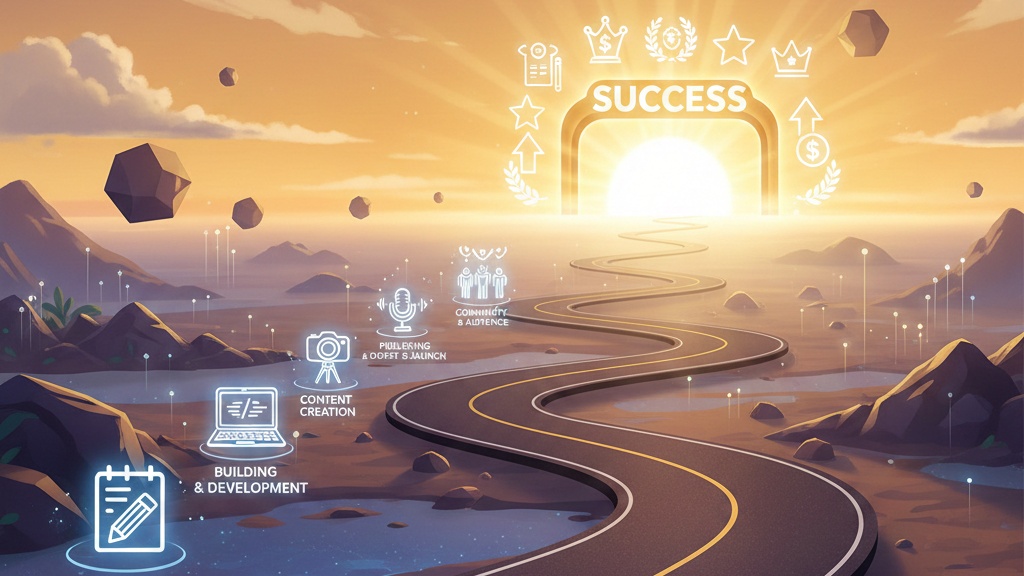
Your Roadmap to Becoming a Self-Taught Developer 🗺️
So, how do you start? The sheer volume of information online can be overwhelming. The secret is to follow a structured path and build momentum gradually.
Step 1: Choose Your First Language Wisely
Don't get stuck in "analysis paralysis." For beginners, the best languages are those with a gentle learning curve and vast community support.
- Python: The king of beginner-friendly languages. It reads like English and is used in everything from web development to AI. Perfect for Indian students interested in data science or automation.
- JavaScript: If you want to build websites and see immediate visual results, start here. It’s the language of the web.
- HTML/CSS: Not strictly "programming," but essential for anyone wanting to get into web development. You can create your first webpage in a single afternoon!
Step 2: Find Your Learning Style 📚
Not all learners are the same. Explore different resources to see what clicks:
- Interactive Platforms: Websites like freeCodeCamp or Codecademy offer hands-on coding directly in your browser.
- Video Tutorials: YouTube is a goldmine. Channels like Chai Aur Code or Apna College offer high-quality, free content in Hinglish, making complex topics easy to understand.
- Structured Courses: Platforms like Coursera or Udemy provide in-depth courses, often with certificates that can add value to your resume.
Building Practical Skills and a Killer Portfolio 💡
Theory is good, but practice is what gets you hired. This is where most aspiring developers stumble. They learn the syntax but never apply it.
The "Learn by Doing" Method
Instead of just watching tutorials, pause and code along. Then, try to build something similar but slightly different on your own. For example, if you learned how to make a to-do list app, challenge yourself to add a "dark mode" or a "reminder" feature. This forces you to think independently and debug your own code—skills that are highly valued.
Your Portfolio is Your New Resume
Your portfolio is a website that showcases your projects. It’s your personal brand. Here’s what to include:
- A "About Me" Section: Briefly tell your story. Emphasize your passion for learning and problem-solving.
- 3-5 Solid Projects: Don't just list them. For each project, provide a link to the live demo, a link to the code (e.g., on GitHub), and a short description of the problem it solves and the technologies you used.
- Indian Context Projects: Make your portfolio stand out by building projects relevant to India. Could you build a website that tracks local vegetable prices? A simple app that helps find nearby vaccination slots? A tool that analyzes cricket match data? These show you're solving real-world problems.
The Power of Open Source and Freelancing
Once you have a few projects, start contributing to open-source projects on GitHub. This looks fantastic on your resume and teaches you to read other people's code. You can also take on small freelance gigs on platforms like Upwork to gain real-world experience and earn while you learn.
Navigating Challenges and Staying Motivated 💪
The self-taught path is not a straight line. There will be bugs that take hours to fix and moments of self-doubt. This is completely normal.
Dealing with Imposter Syndrome
You'll look at senior developers and feel like you know nothing. Remember, every expert was once a beginner. The goal isn't to know everything; it's to know how to find the answers. Your primary skill as a developer is problem-solving, not memorization.
The Importance of Community 🤝
You don't have to learn alone. The developer community is incredibly supportive.
- Join Online Forums: Stack Overflow is your best friend for technical questions.
- Connect on Social Media: Follow developers on Twitter or LinkedIn. Join Indian tech communities on Telegram or Discord.
- Attend Meetups (Online/Offline): Look for local tech meetups or webinars. Networking can open doors you didn't even know existed.
Key Takeaways
- Skills Over Degrees: The tech industry prioritizes what you can build and demonstrate over formal qualifications.
- Structured Learning is Key: Pick a beginner-friendly language, find resources that match your learning style, and stick to a consistent schedule.
- Build a Portfolio, Not Just Notes: Your projects are your proof of skill. Focus on solving real-world problems, especially those relevant to your local context.
- Community is Your Superpower: Don't learn in isolation. Engage with other learners and professionals to stay motivated and grow faster.
Conclusion: Your Journey Starts Now 🏁
Learning to code without a CS degree is not just possible; it's an empowering journey that puts you in control of your education and career. It requires discipline, curiosity, and the resilience to push through challenges. But the rewards—creative freedom, financial independence, and the ability to build anything you can imagine—are immense. The tech world is waiting for fresh perspectives and diverse talents. Your unique background is not a disadvantage; it's your unique strength.
Ready to Code Your Future? ✨
Feeling inspired but unsure where to take your first step? At BandhanNova AI Hub, we believe that every student deserves access to quality, personalized guidance. Our platform offers curated learning paths and AI-powered tools designed to help you navigate the world of tech skills, from coding fundamentals to advanced AI concepts. We're here to mentor you, provide the right resources, and help you build a career that truly excites you. Start your journey with BandhanNova AI Hub today and transform your potential into a powerful future! 🚀