
Why Self-Learning Is the Ultimate Skill 🚀
Introduction
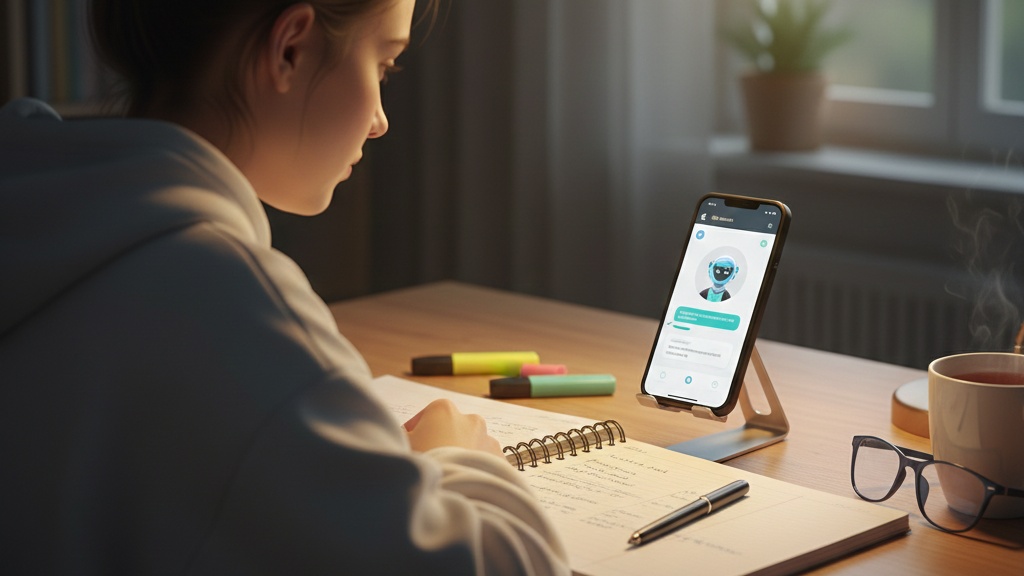
Imagine a world where you don’t have to wait for a teacher to explain a concept, a textbook to arrive, or a classroom to open. Imagine having the power to learn anything, anytime, anywhere, simply by tapping into your own curiosity and resources. That’s not a distant dream—it’s the reality of self-learning. In today’s fast-paced, ever-evolving world, the ability to teach yourself is becoming the most valuable skill a student can possess. Whether it’s mastering a new language, picking up coding, or understanding complex scientific theories, self-learning puts you in the driver’s seat of your education. It’s like having a superpower that unlocks endless opportunities. 🌟
But why is self-learning considered the ultimate skill? And how can you, as a student, harness its power to shape your future? In this blog, we’ll explore the why, the how, and the practical steps to make self-learning your secret weapon. Let’s dive in!
The Changing Landscape of Education 📚
Gone are the days when education was confined to four walls and a rigid syllabus. Today, the world is your classroom. With the internet, AI tools, and a wealth of free resources, learning has become more accessible than ever. However, this freedom comes with a challenge: without structure, it’s easy to get lost. This is where self-learning shines. It empowers you to take control, set your pace, and pursue what truly excites you.
Why Traditional Learning Isn’t Enough
Traditional education provides a foundation, but it often lacks flexibility. Here’s why self-learning complements it perfectly:
- Personalization: You choose what to learn and how deep to go. Want to explore astrophysics beyond your syllabus? Go for it!
- Pacing: Struggling with calculus? Spend extra time without feeling rushed. Quick at grasping history? Move ahead.
- Relevance: Learn skills that align with your goals, like digital marketing or data analysis, which might not be in standard curricula.
For Indian students, this is especially powerful. Imagine learning graphic design during summer break or mastering Python while preparing for entrance exams. Self-learning bridges the gap between academics and real-world skills. 💡
The Role of Curiosity in Self-Learning
Curiosity is the engine of self-learning. It’s that inner voice asking “Why?” or “How?” When you follow your curiosity, learning feels less like a chore and more like an adventure. For instance, a student in Bengaluru curious about renewable energy might start by watching YouTube tutorials, then join an online community, and eventually build a small solar project. This journey not only builds knowledge but also confidence and problem-solving skills. 🎯
Benefits of Self-Learning: Why It’s a Game-Changer 🌟
Self-learning isn’t just about acquiring knowledge; it’s about transforming how you approach challenges. Let’s break down its key benefits.
Builds Resilience and Independence
When you learn on your own, you face obstacles—like confusing resources or dead ends—and figure out how to overcome them. This builds resilience, a trait crucial for success in any field. For example, a student in Mumbai trying to learn guitar from online tutorials might struggle with chords initially, but persisting teaches patience and grit. Over time, this independence translates to tackling bigger life challenges, like career decisions or personal growth.
Enhances Problem-Solving Skills
Self-learners become natural problem-solvers. You learn to research, experiment, and iterate. Consider a student in Delhi who wants to create a simple app for local community events. By self-learning coding through free platforms, they not only build the app but also develop logical thinking and creativity—skills employers love.
Future-Proofs Your Career
In a world where jobs are rapidly changing (thanks to AI and automation), self-learning ensures you stay relevant. Industries like tech, healthcare, and even arts value professionals who can upskill independently. Indian students aiming for startups or global careers can gain an edge by self-learning emerging fields like blockchain or ethical AI. Plus, it fosters a growth mindset, making you adaptable to whatever the future holds.
Boosts Confidence and Motivation
There’s nothing quite like the thrill of mastering something on your own. Self-learning gives you a sense of accomplishment, boosting your self-esteem. It also keeps motivation high because you’re pursuing interests, not mandates. Picture a student in Chennai who self-learns photography during weekends—suddenly, they’re not just a student; they’re a creator with a portfolio. ✨
How to Become a Self-Learner: Practical Steps for Indian Students 🛠️
Ready to start? Self-learning is a skill you can develop with practice. Here’s a step-by-step guide tailored for students in India, considering resources, habits, and common challenges.
Step 1: Identify Your “Why” and Set Goals
Begin with clarity. Ask yourself: What do I want to learn, and why? Is it to crack a coding interview, explore a hobby, or prepare for a scholarship abroad? Write it down. Make goals SMART: Specific, Measurable, Achievable, Relevant, Time-bound. For instance, instead of “Learn English,” aim for “Improve spoken English to participate in debates within 3 months by practicing daily with apps like Duolingo.”
Tip: Use a journal or app to track progress. Indian students can relate this to preparing for competitive exams—break it into daily targets like “Solve 10 math problems” or “Read one chapter of a novel.”
Step 2: Leverage Free and Accessible Resources
India has a treasure trove of learning tools, many free or low-cost:
- Online Platforms: Websites like Khan Academy, Coursera (with financial aid), and YouTube channels (e.g., Physics Wallah for science, or freeCodeCamp for coding) are goldmines.
- Apps and Tools: Apps like Unacademy, Byju’s (free versions), or even Telegram groups for peer learning.
- Local Resources: Libraries, community centers, or apps like Spotify for podcasts on topics like history or entrepreneurship.
For example, a student in Kolkata interested in finance could start with Zerodha Varsity (free stock market tutorials) and build a mock portfolio. Start small—dedicate 30-60 minutes daily to avoid burnout. 🚀
Step 3: Create a Self-Discipline Routine
Consistency is key. Without a teacher enforcing deadlines, you must be your own boss. Build a routine:
- Use the Pomodoro technique: 25 minutes focused learning, 5-minute break.
- Study in a distraction-free zone—perhaps a quiet corner at home or a local park.
- Join online communities like Reddit’s r/learnprogramming or Indian forums like Stack Overflow for motivation and doubts.
Pro Tip: Pair learning with something enjoyable. If you’re self-studying economics, listen to Bollywood songs about money themes to make it fun! This keeps the Indian cultural vibe alive while learning.
Step 4: Apply What You Learn
Knowledge sticks when you use it. For self-learners, application is non-negotiable. Create projects, teach others, or write summaries. A student in Hyderabad learning Python could build a simple app to track daily expenses—practical and portfolio-worthy.
Challenge: Overcome imposter syndrome by sharing your progress on LinkedIn or Instagram. Indian students often thrive on community feedback, so this builds accountability.
Overcoming Common Hurdles in Self-Learning 🛑➡️✅
Self-learning isn’t always smooth, especially for students juggling school, family, and social life. Here’s how to tackle roadblocks:
Dealing with Information Overload
The internet is vast, and it’s easy to get overwhelmed. Solution: Curate your sources. Stick to 2-3 reliable platforms initially. For instance, if learning web development, focus on MDN Web Docs and one YouTube series, rather than browsing endlessly.
Staying Motivated
Motivation dips happen. Combat them by celebrating small wins—treat yourself to street food after a week of consistent learning. Or, find an accountability partner, like a study buddy from your tuition class, to share progress.
Access Barriers in India
Not everyone has high-speed internet or devices. Workarounds: Use offline apps like Coursera’s download feature, borrow books from libraries, or join government initiatives like Digital India’s free online courses. Rural students can leverage community Wi-Fi or radio educational programs.
Remember, self-learning is about progress, not perfection. Every small step counts. 💪
Key Takeaways
- Self-Learning Empowers You: It shifts control from external systems to you, allowing personalized, flexible education that fits your life and goals.
- It Builds Essential Life Skills: Beyond knowledge, it develops resilience, problem-solving, and adaptability—crucial for thriving in India’s dynamic job market.
- Start Small and Stay Consistent: Use free resources, set clear goals, apply your learning, and overcome hurdles with routines and community support to make it a lifelong habit.
Conclusion
In a world full of information and opportunities, self-learning is your ticket to staying ahead and shaping your destiny. It’s not just about memorizing facts; it’s about cultivating curiosity, independence, and the confidence to tackle any challenge. As a student, you have the energy and tools at your fingertips—embrace self-learning, and watch how it transforms your academic journey and beyond. Whether you’re from a bustling city or a quiet town, this skill is universally powerful. Start today, and let your curiosity lead the way. 🌈
How BandhanNova AI Can Support Your Self-Learning Journey 🤖
At BandhanNova AI Hub, we believe in empowering students like you to become confident self-learners. Our AI-powered platform offers personalized learning paths, interactive quizzes, and smart recommendations tailored to your interests—whether it’s mastering AI concepts or exploring creative skills. Imagine an AI mentor that adapts to your pace, suggests resources, and tracks your growth without overwhelming you. Visit BandhanNova AI Hub today to discover tools that make self-learning seamless and fun. What’s your next learning adventure? Let’s make it happen together! 🚀